The Seat by the Phone: Inside Strictly's Stand-In Pro System — and the 2026 Numbers We'd Keep on Speed Dial
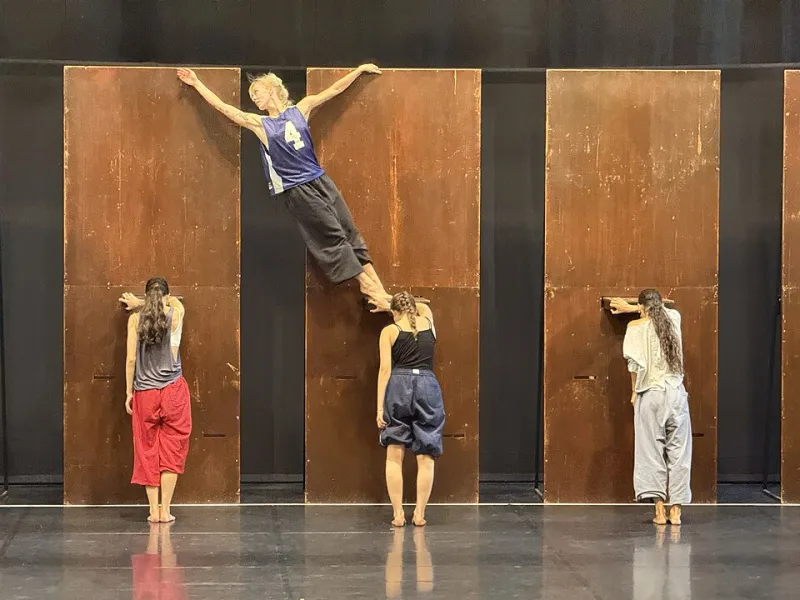
Photo: שלמה רודד, CC BY 2.5, via Wikimedia Commons
There is a version of Strictly that never makes it to air, and it is held together by a handful of people you rarely see on a Saturday night. Every series, somewhere between the group number rehearsals and the live shows, someone has a plan for what happens if a professional dancer can't dance. Nobody wants to talk about it on camera. Everyone in the building knows it exists.
Call it the bench. Call it the emergency roster. Call it whatever the production team mutters into a headset at 4pm on a Friday. It is one of the most quietly impressive bits of logistics on British television, and it almost never gets credit because — when it works — it looks like nothing happened at all.
The Job Nobody Auditions For
Strictly's professional lineup is bigger than the partnerships you see on screen. There are pros who choreograph group numbers, pros who cover in rehearsals, and pros who spend the series being brilliant in the background while someone else gets the glitterball narrative. That surplus isn't an accident. It's the insurance policy.
When a professional is injured, unwell or otherwise unavailable, the show has a shortlist. It will consider who is already under contract, who is free, who is physically compatible with the celebrity, and — crucially — who can absorb a routine quickly without undoing months of trust. A stand-in isn't just a dancer who knows the steps. They're a substitute teacher, therapist and bodyguard rolled into one.
What Actually Happens in the 48 Hours After a Pro Goes Down
The first conversations are medical, not creative. Once it's clear a pro can't perform, the clock starts and it does not stop.
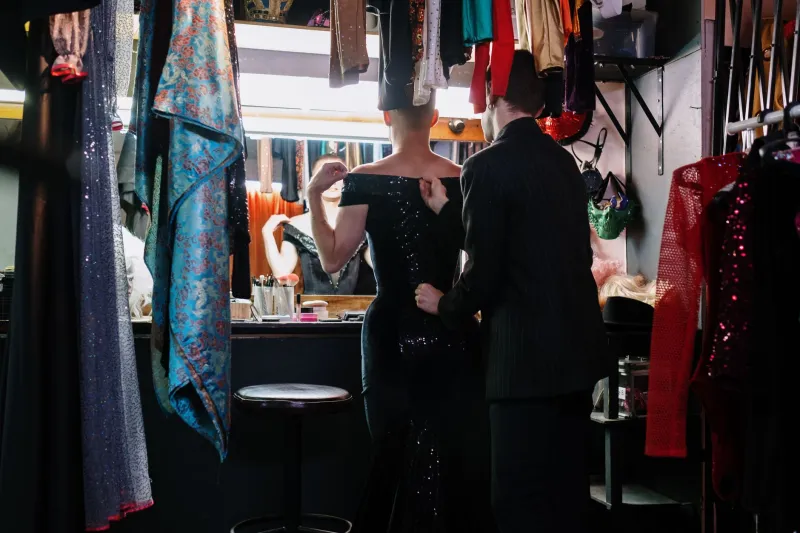
Costume is the first practical headache. Ballroom and Latin outfits are built to a specific body — a stand-in of a different height or build means refitting, recutting or quietly starting again. Then there's the choreography: the routine will have been built around the original pro's strengths, their height, their preferred hand placements, their habit of leading with a hip. A newcomer has to learn it, then translate it, then make it feel like it was always theirs.
After that comes the part outsiders underestimate. Camera blocking. The eyeline. The ridiculous-sounding but genuinely vital question of whether a person can be looked in the eye by a terrified celebrity mid-pivot and make them believe everything is fine. Rehearsal footage gets re-cut. The VT gets re-shot or quietly dropped. And somewhere in the middle of all that, the judges are briefed only on what they need to know.
Why It's One of the Toughest Gigs on Television
Stepping into an established partnership is a strange, lonely job. The audience already has a relationship with the couple. The stand-in is immediately compared, usually unfavourably, to someone the public has spent weeks falling for. There's no rehearsal period in the normal sense, no slow build, no affectionate VT charting the journey. Just: here's a human, here's a routine, here's Elstree, good luck.
And the technical difficulty is real. Ballroom and Latin are dances of connection — the frame communicates before the feet do. A new partner has to learn, in days, how much pressure that celebrity needs in the hand, how early they panic before a lift, whether they count out loud under their breath. Get that wrong and the routine doesn't just look different. It looks frightened.
We have seen how well it can go. When a pro had to step away mid-series, a replacement came in, settled the celebrity's nerves and took the partnership deep into the competition — proof that the bench works when it's used properly. The flip side is that fans remember the wobble, not the logistics.
The Ones Who've Done It Before
There's a particular type of pro who is good at this: experienced, unflappable, choreographically flexible, and secure enough not to need the spotlight. Strictly has leaned on the same handful of names over the years precisely because reliability is rarer than talent.
For 2026, that logic still holds. We'd want the roster stacked with pros who have partnered before and know how a series actually feels — Lauren Oakley, who has already proved she can step in and steady a ship without missing a beat, would be top of most fans' lists. Michelle Tsiakkas, Nancy Xu and Carlos Gu all have the technical range and the temperament. Kai Widdrington and Neil Jones are the sort of steady hands a producer wants at 11pm on a Friday. And never rule out the pros who didn't get a celebrity this year — that's exactly why they're there.
We're not saying anything is wrong. We're saying the phone exists, it's charged, and someone knows the number.
What Fans Should Watch For
When a stand-in is working, you'll rarely spot it on the night. You'll spot it in the small things: a slightly different frame, a routine that suddenly plays a little safer, a couple standing closer together in the Clauditorium than they did last week.
The tell is usually the eyes. Watch a celebrity at the top of the routine, before the first step, and you'll see whether they trust the person holding their hand. That's the entire job, really. Not the steps. The trust.
So next time a pro is nursing a strapped ankle and the show carries on as though nothing has happened, spare a thought for whoever is sitting by the phone in a rehearsal room in north London, half-watching, fully ready. Strictly's real magic has never been the glitterball. It's the fact that the whole thing holds together at all.